New Year, Orthodox Christmas and the Russian academic calendar
Every first year is caught out by the Russian January. The country stops for several days at the very start of the month, then life resumes — while for students January is often the exam month. Understanding that overlap saves you from booking a flight at the worst possible moment.
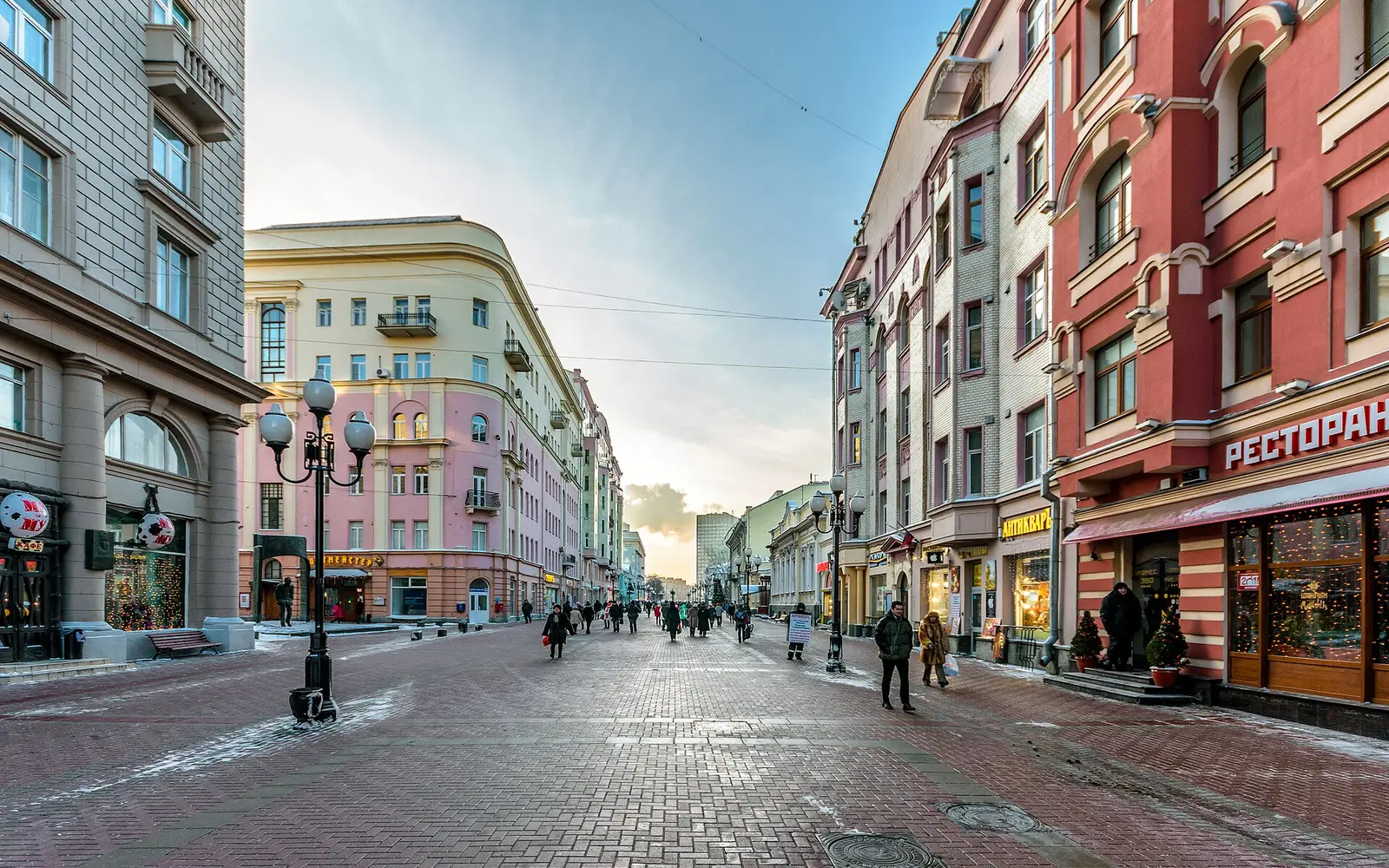
New Year, not Christmas, is the big celebration
For a student arriving from the Maghreb, this is the first thing to grasp: in Russia, the evening of 31 December and the day of 1 January are the major family festivity of the year. A decorated tree, a family meal, presents, televised greetings at midnight.
The first days of January are public holidays in Russia: many administrations, banks and services close or run with reduced staff. If you have an administrative step to complete, do not place it in that window.
Orthodox Christmas on 7 January
The Russian Orthodox Church follows the Julian calendar for fixed feasts, so its Christmas falls on 7 January rather than 25 December. It is a religious celebration, more intimate than New Year and far less commercial.
You will also hear of “old New Year” on 14 January, corresponding to 1 January in the Julian calendar. It is not a public holiday but a tradition that extends the festive period.
For a Muslim student, none of this raises any practical difficulty: these are cultural markers and closing days to know about, not obligations.
Related articleThe exam session: January’s real subject
In the Russian system the autumn semester closes with an exam session, preceded by a period of assessments that must be passed to sit it. That session is generally in January, and the winter break comes after, not before.
We publish no dates: the exact calendar is set by each faculty and varies between institutions and between years. Get your faculty’s calendar at the start of the semester.
Three dates to note from September, before booking anything:
- The end of the continuous assessment period that conditions access to the exams.
- The first and last day of the exam session.
- The official dates of the winter break.
The flight ticket trap
This is the mistake we see every year: a student books the trip home for late December, because that is the holiday period in their home country — and ends up sitting exams remotely, or not at all.
The rule is simple: book no ticket before you have your faculty’s written calendar, including any resit dates. An exam missed for a flight is retaken in far less comfortable conditions.
Related articleIf you stay for the holidays
Many international students do not travel home in January, for reasons of cost or calendar. A few practical points to make the period go well.
- Check with your university residence whether it stays open and under what conditions during the festive period.
- Shop before 31 December: shops close or cut their hours for several days.
- Anticipate administrative and banking steps: nothing gets done in the first week of January.
- Keep an eye on the most isolated: this is when distance from family weighs heaviest.
Paradoxically, it is also a very good time to improve your Russian: the city is lively and relaxed, and conversations come more easily than during exams.
Related articleAnd then: the spring semester
The winter break is short. The spring semester opens next, and it is also when students admitted for the February intake arrive at the institutions that offer one.
For an applicant preparing a file from the Maghreb, that means January is not a quiet month: it is when the last details of a February departure are settled.
Related articleFrequently asked questions
When is Orthodox Christmas in Russia?
The Russian Orthodox Church follows the Julian calendar for fixed feasts, placing its Christmas on 7 January. The major family celebration of the end of the year remains New Year, from 31 December to 1 January.
Do classes stop between Christmas and New Year?
The academic calendar is set by each faculty and we publish no dates. In the Russian system the autumn semester ends with an exam session generally held in January, with the winter break afterwards. Ask for your faculty’s written calendar at the start of the semester.
Can I go home in late December?
Only if your faculty’s calendar allows it. This is the most frequent mistake: booking a flight over the home country’s holidays and discovering that the exam session falls in January. Check before paying for a ticket.
Are administrations open in early January?
The first days of January are public holidays in Russia and many services run with reduced staff or close. Anticipate any administrative, banking or registration step before the end of December.