Cities
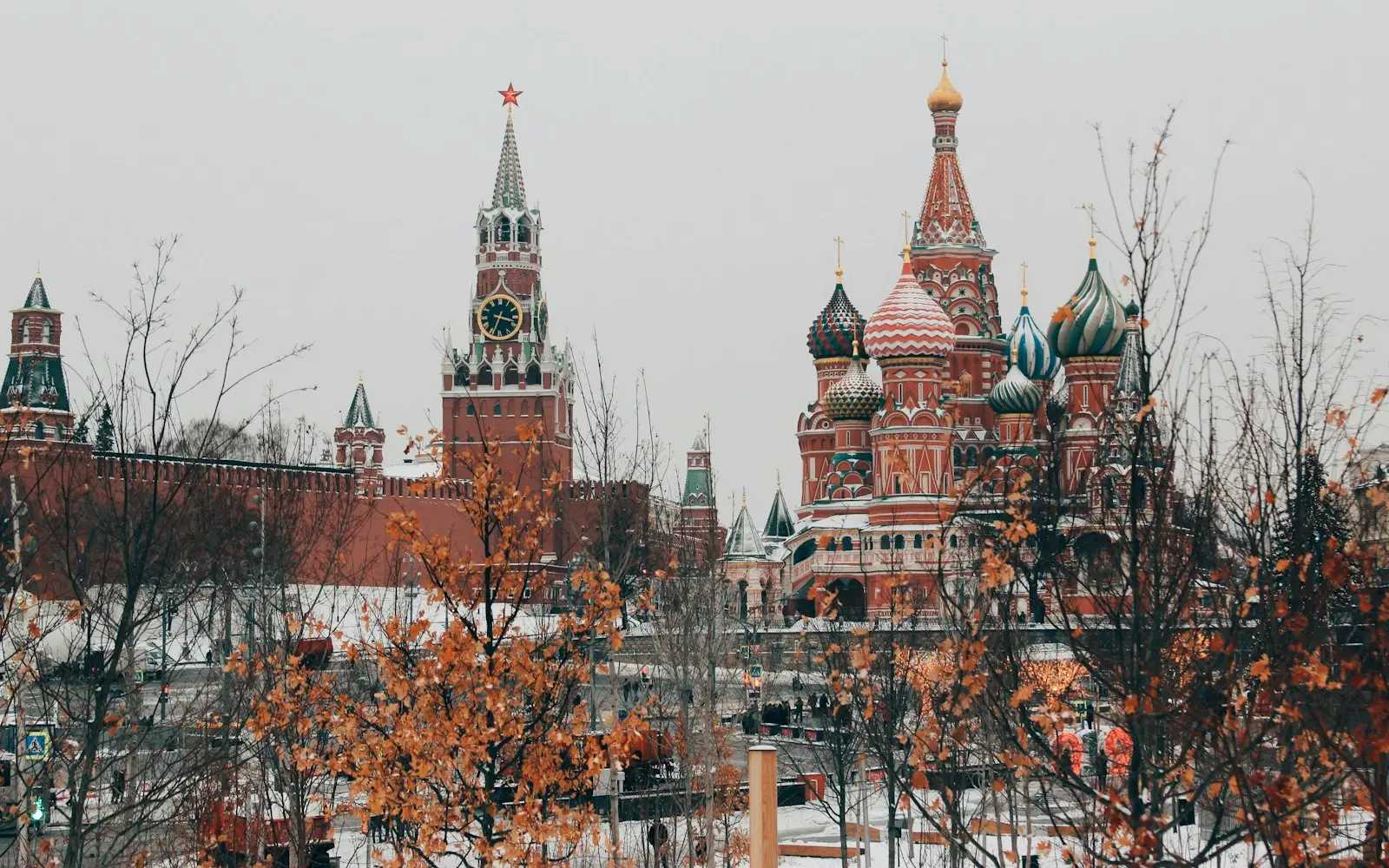
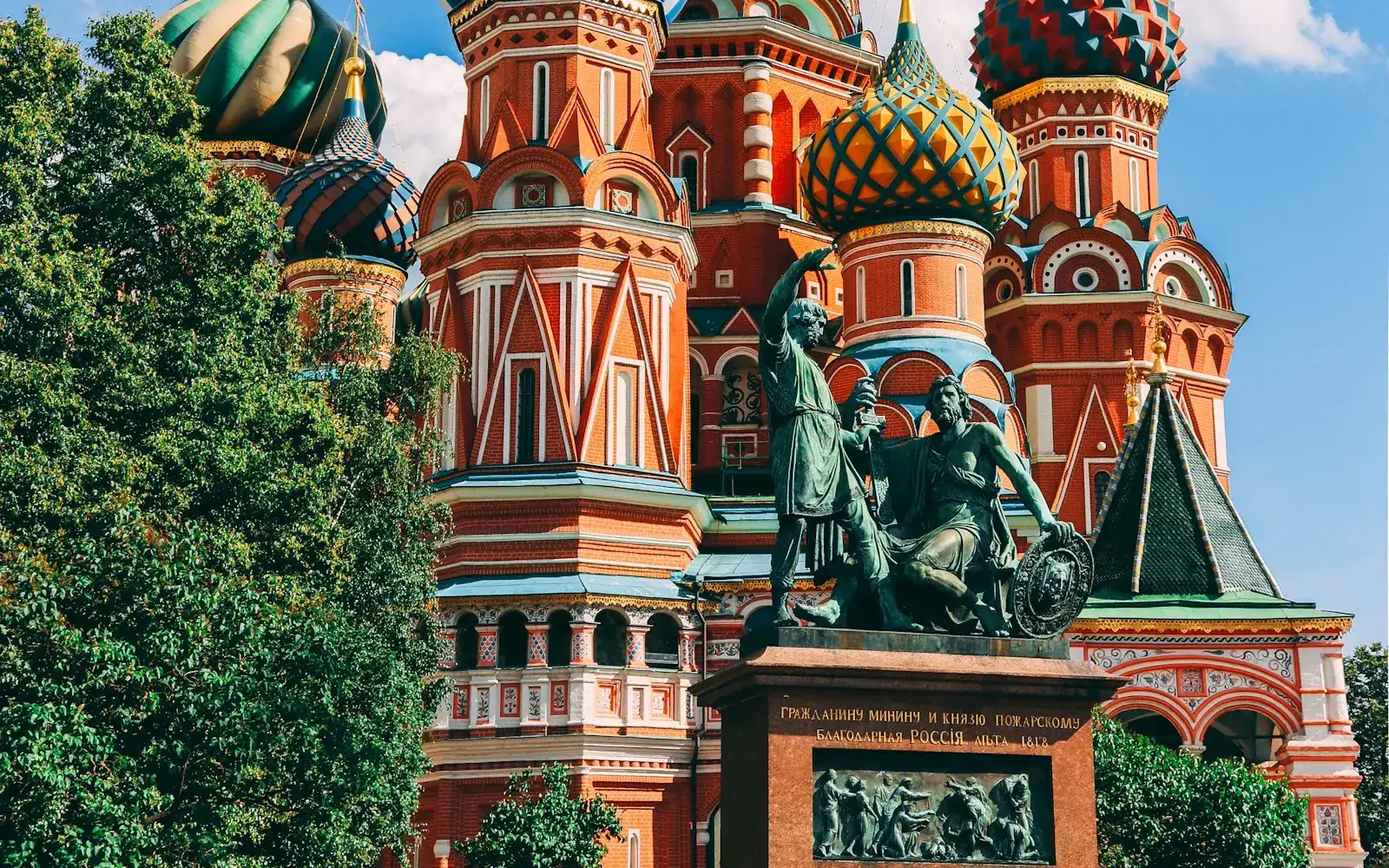
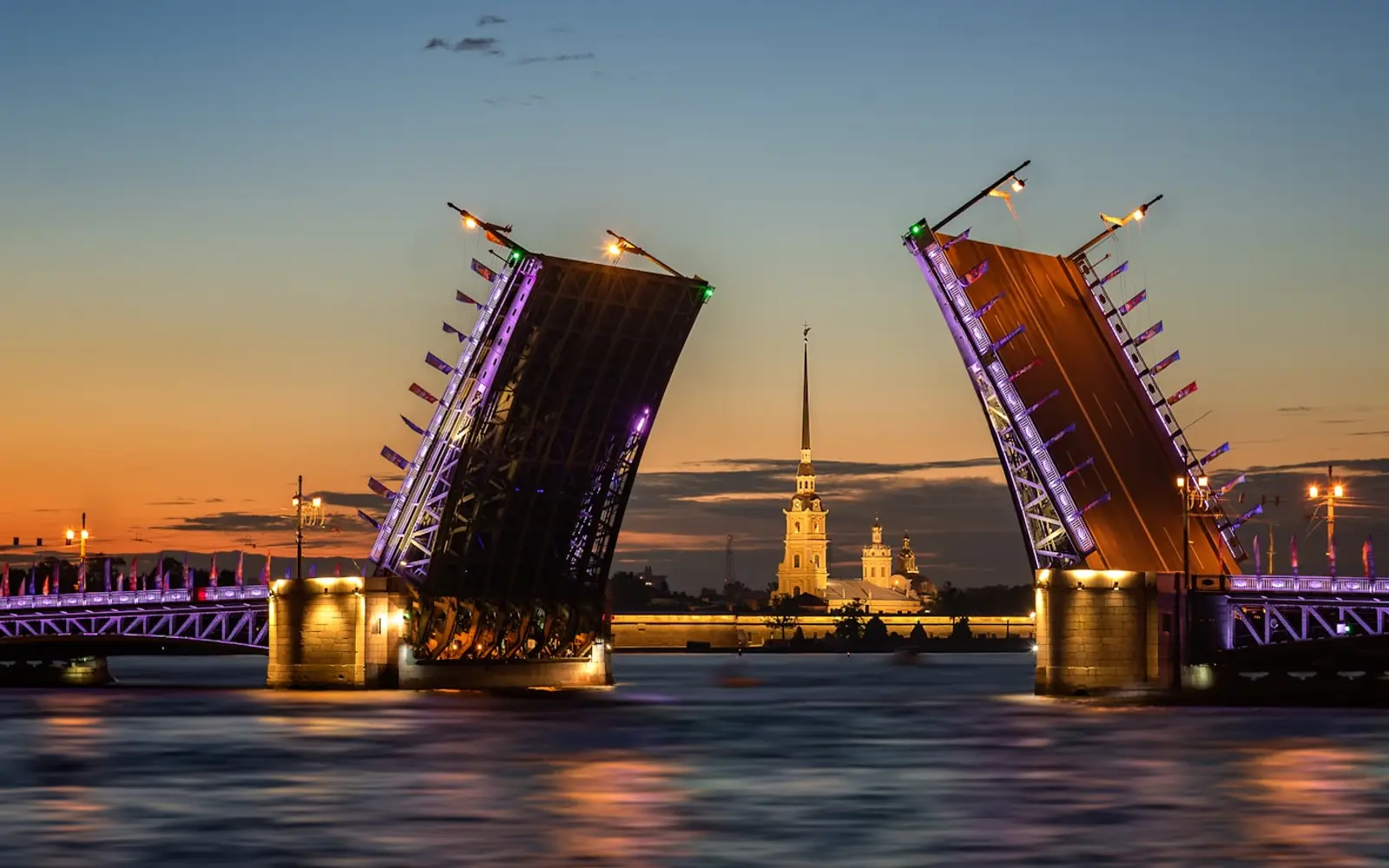
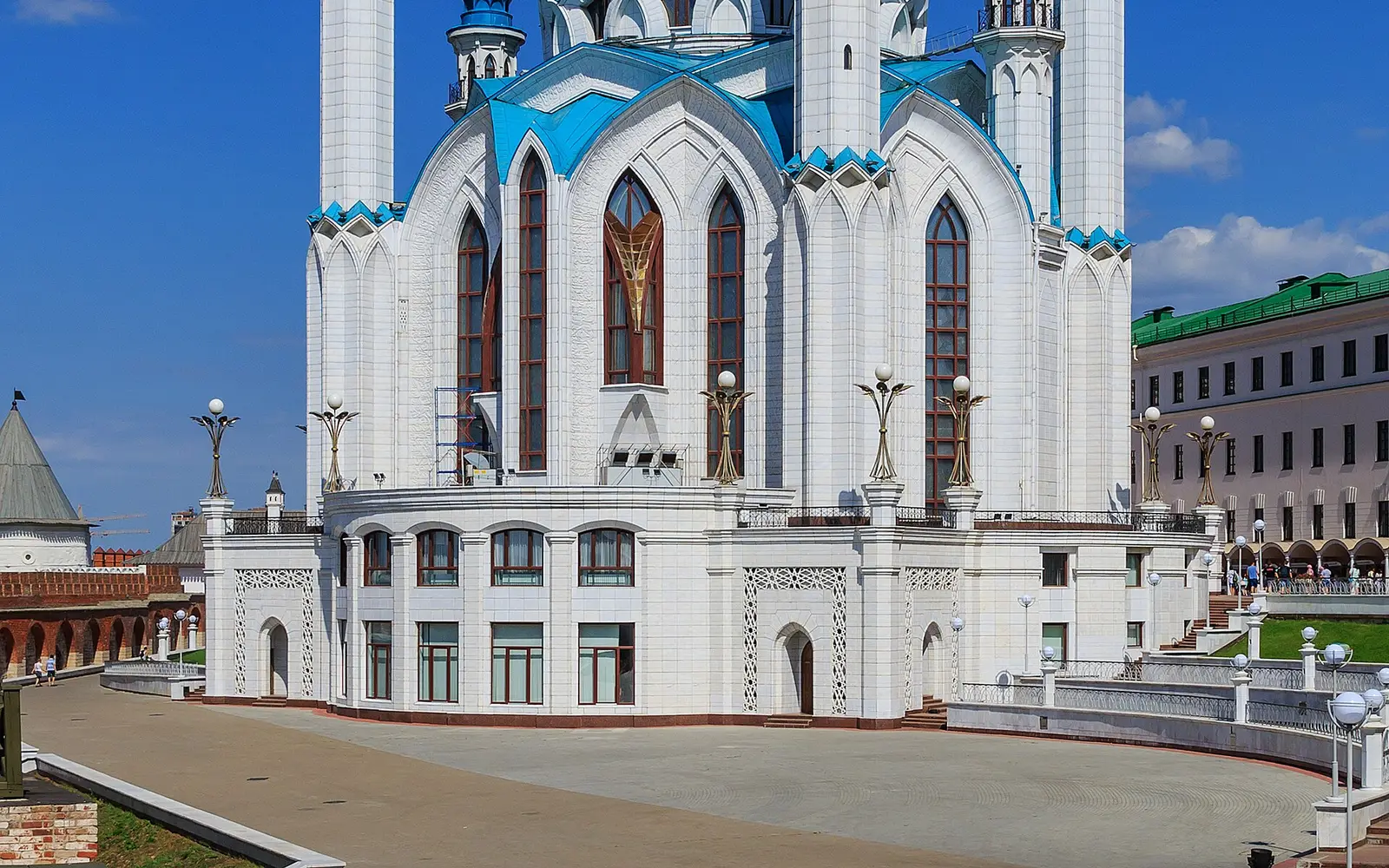
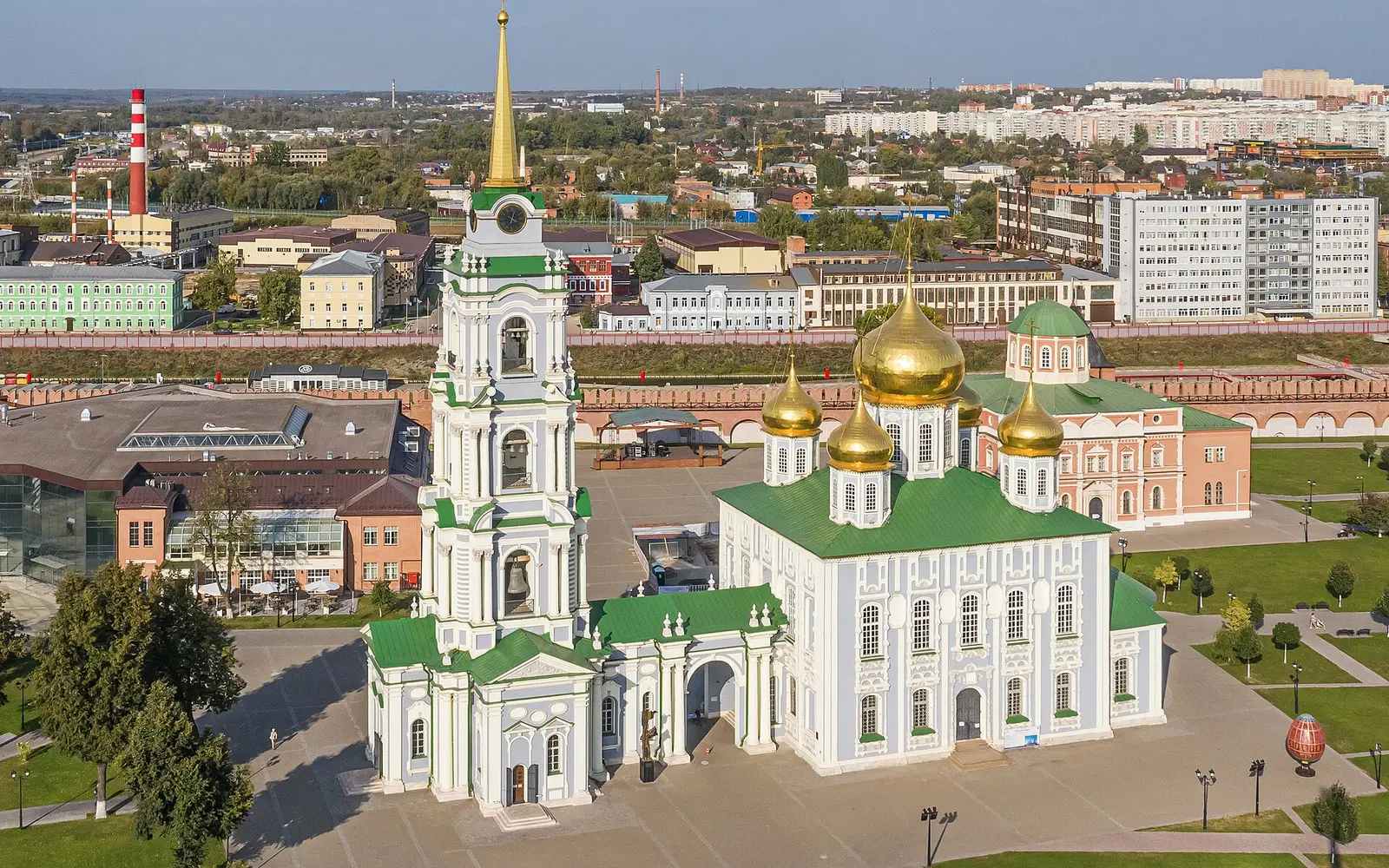
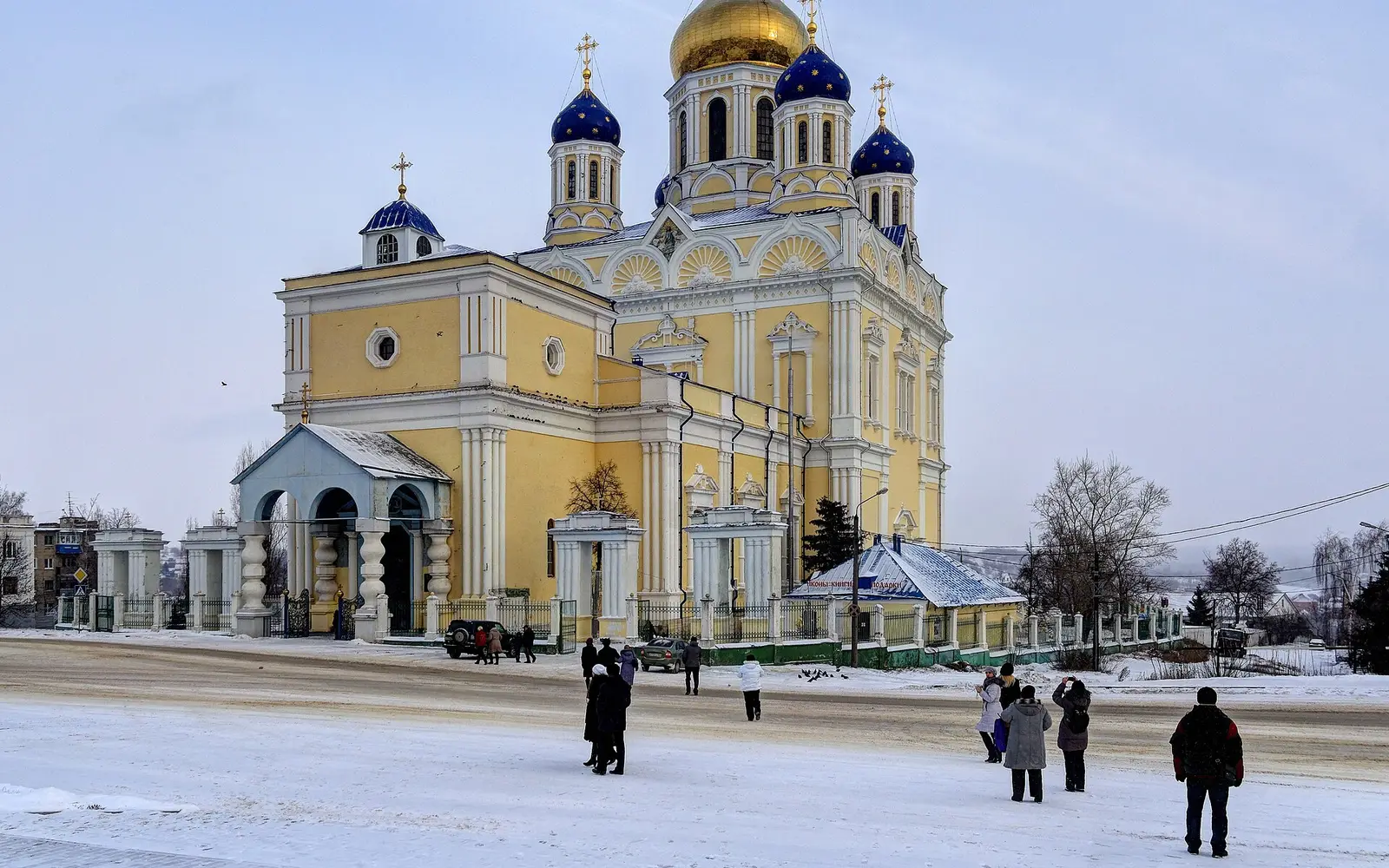
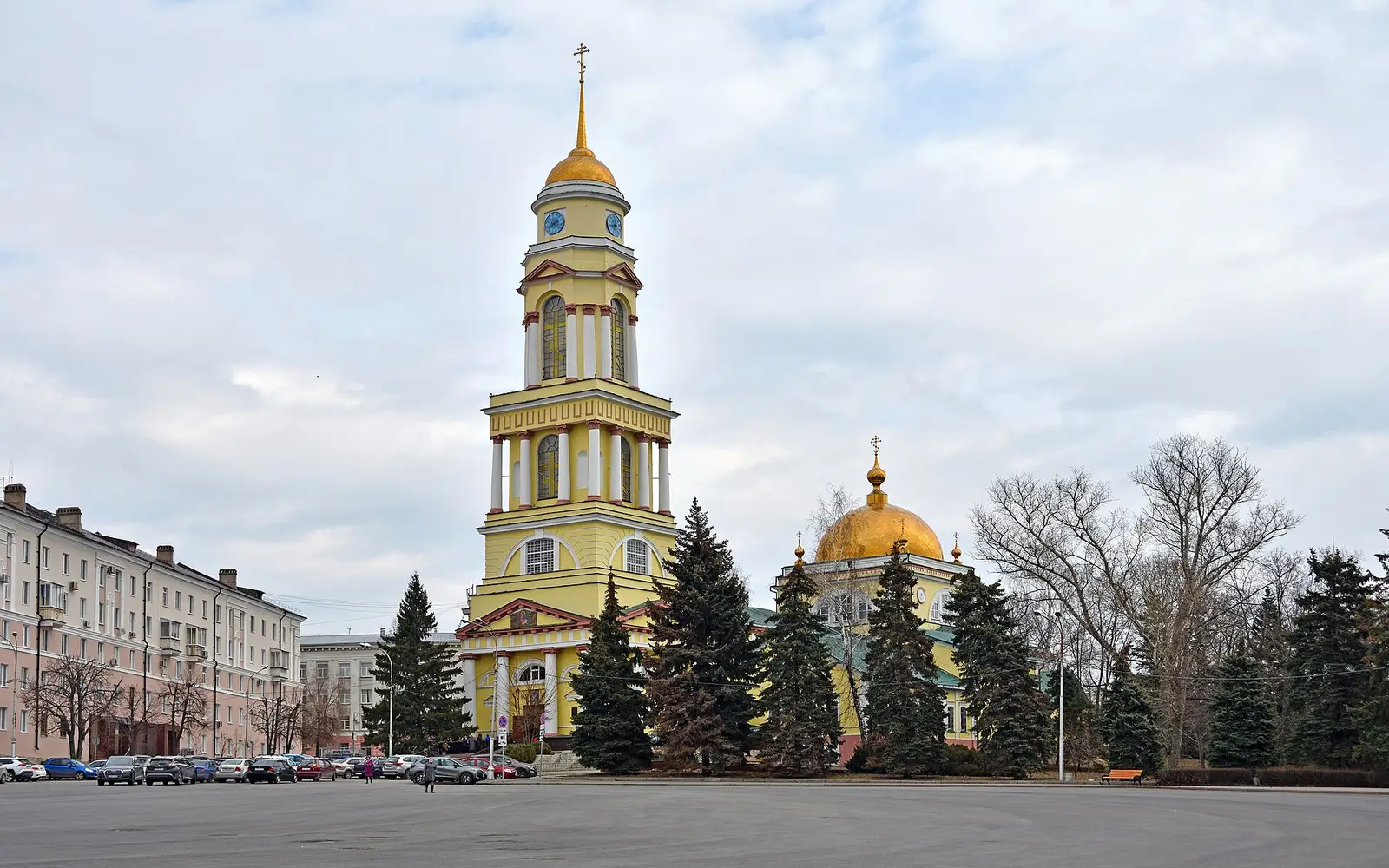
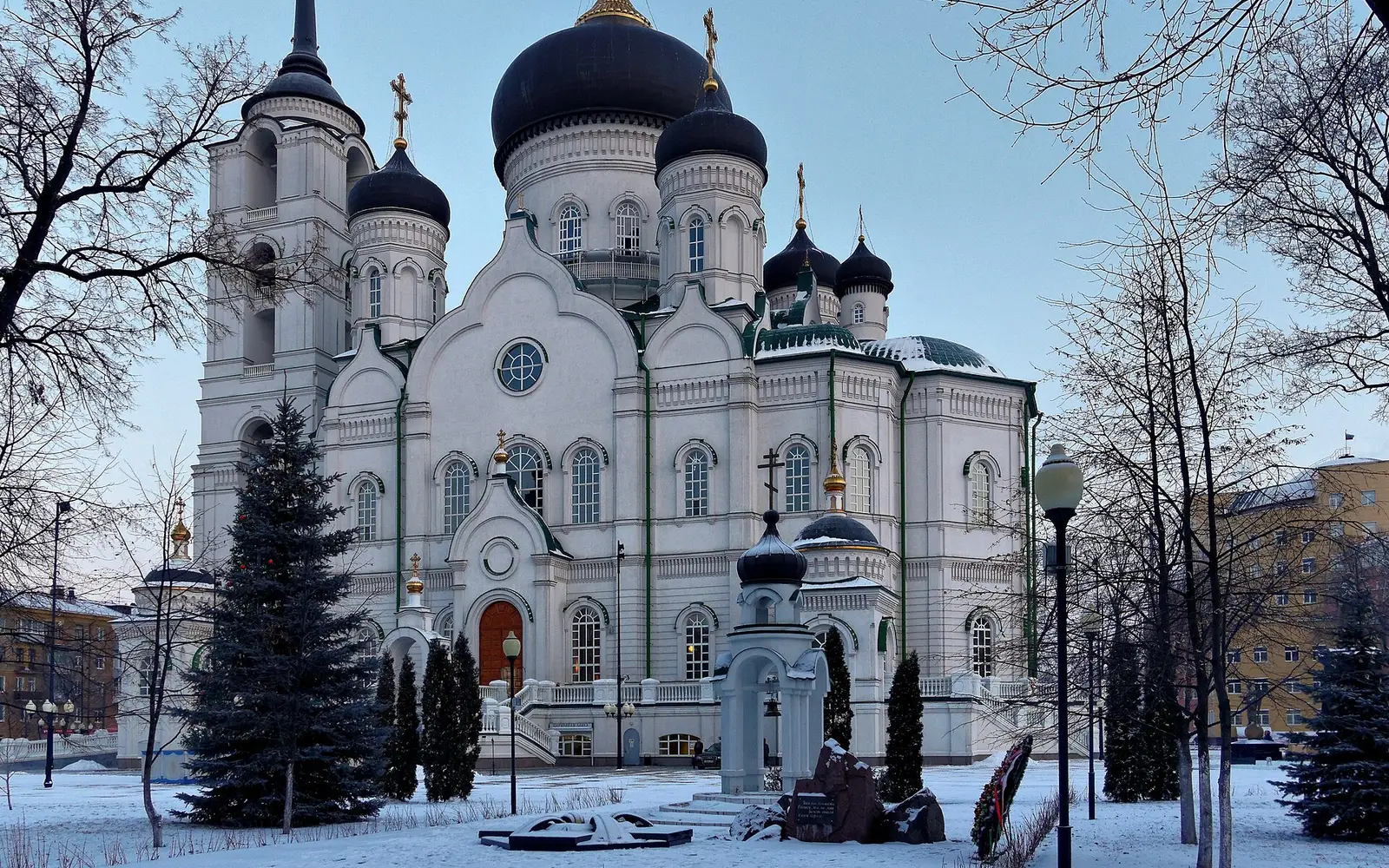
RusStudy supports Tunisian students in eight Russian university cities: Moscow, Saint Petersburg and Kazan, as well as Tula, Yelets, Lipetsk, Voronezh and Oryol — regional cities with a much more affordable cost of living. Each page presents the partner universities and an estimated cost of living.
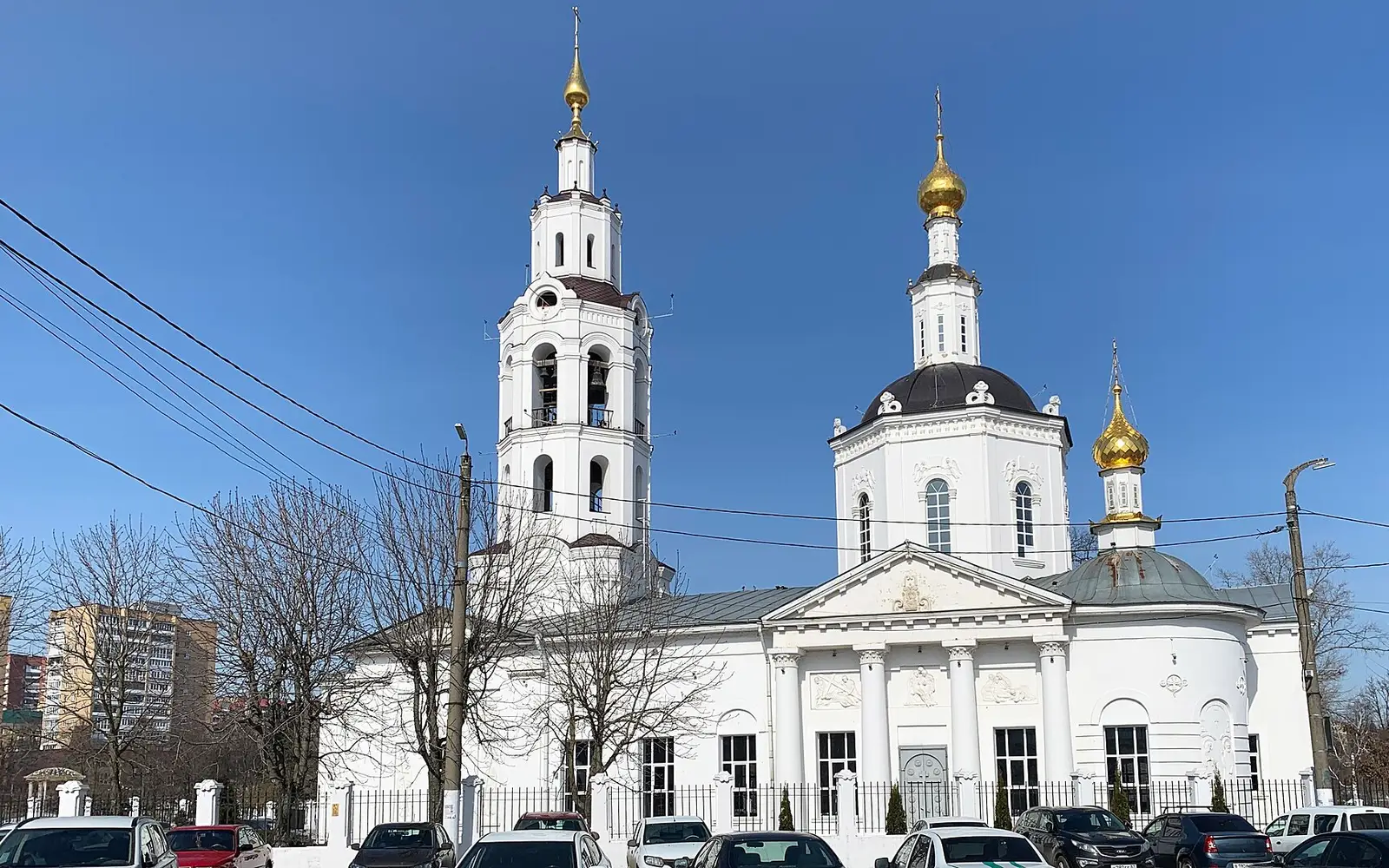
How to choose your city
The choice of city weighs more heavily than people imagine at application time. It determines your monthly budget for four to six years, how fast you will learn Russian, and how easily you will go home to see your family.
Three logics compete, and none is better in the absolute: it all depends on what you are optimising for.
- The large cities — Moscow and Saint Petersburg — offer the widest choice of programmes, the densest cultural life and the largest Maghrebi communities, at the highest budget
- Kazan combines metropolitan facilities with a noticeably lower cost, and is the city where cultural adaptation is gentlest for a Muslim student
- The regional cities — Tula, Yelets, Lipetsk, Voronezh, Oryol — halve the monthly budget, at the price of a smaller community and immediate linguistic immersion
The budget gap, plainly
Between the most expensive city and the cheapest in the network, accommodation and daily living vary twofold. Across five or six years of study, the cumulative gap runs to thousands of euros, and it is often what decides whether a plan holds to graduation or stops in the third year.
Each city page shows the exact detail: university halls, shared apartment and daily living. Compare them before getting attached to a name.
What nobody looks at, and should
- The distance between halls and teaching buildings: an hour of daily travel in winter weighs heavily across a year
- Proximity to an international airport, which governs your trips home
- The size of the student community from your country, decisive in the first weeks but counterproductive if it is all you mix with
- The availability of halal food, obvious in Kazan and Moscow, more of a search elsewhere