Studying dentistry in Russia
Dentistry is one of the most sought-after specialties among Tunisian school-leavers, and one of the most locked in Tunisia. In Russia it takes five years at state universities, with admission on academic record rather than an eliminatory entrance exam.
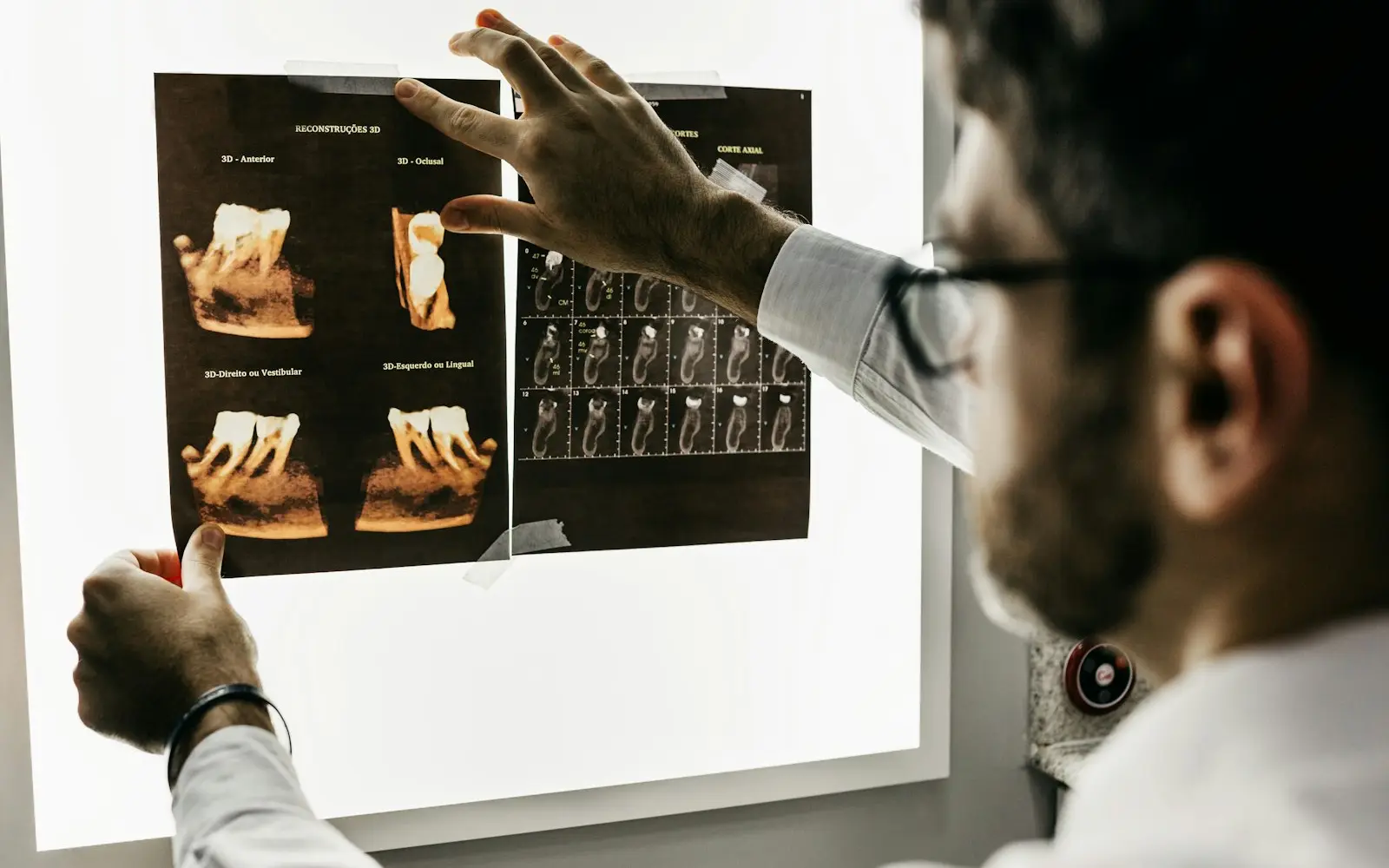
The programme in practice
- Length: 5 years, preceded by the preparatory language year for Russian-taught tracks
- Tuition: from €3,200 a year depending on the university and city
- Admission: on academic record, with no eliminatory entrance exam
- Clinical practice built into the programme in university clinics
No entrance exam does not mean easy studies: selection shifts to exams throughout the programme, and dental practice demands constant consistency.
How dentistry differs from general medicine
- A shorter programme: 5 years against 6 for general medicine
- Earlier entry into clinical practice, with patients from the first years
- A significant technical and manual dimension, beyond theoretical knowledge
- Career paths oriented towards private practice more than hospital work
Recognition and practice on return
As with all health professions, degree recognition and the right to practise are two separate steps. A state diploma from an accredited Russian university follows an established equivalence procedure; practising then requires a validation step.
Check before enrolling that the specific dentistry programme is accredited, not just the university: that is the point that blocks files on return.
Related articleFrequently asked questions
How long does dentistry take in Russia?
Five years, plus the preparatory language year for Russian-taught programmes. That is one year less than general medicine.
Is there an entrance exam?
No, admission is on academic record. Selection happens during the programme, through annual exams.
What does a year of dentistry cost?
From €3,200 a year in tuition, plus housing — from €30 a month in regional residences — and daily living.