Settling into Russia: codes, community and campus life
This part of the journey is always underestimated. The application, the visa, the ticket: all of that can be planned. Integration cannot — it is lived. This guide gathers what Maghrebi students already settled in Russia most often tell newcomers.
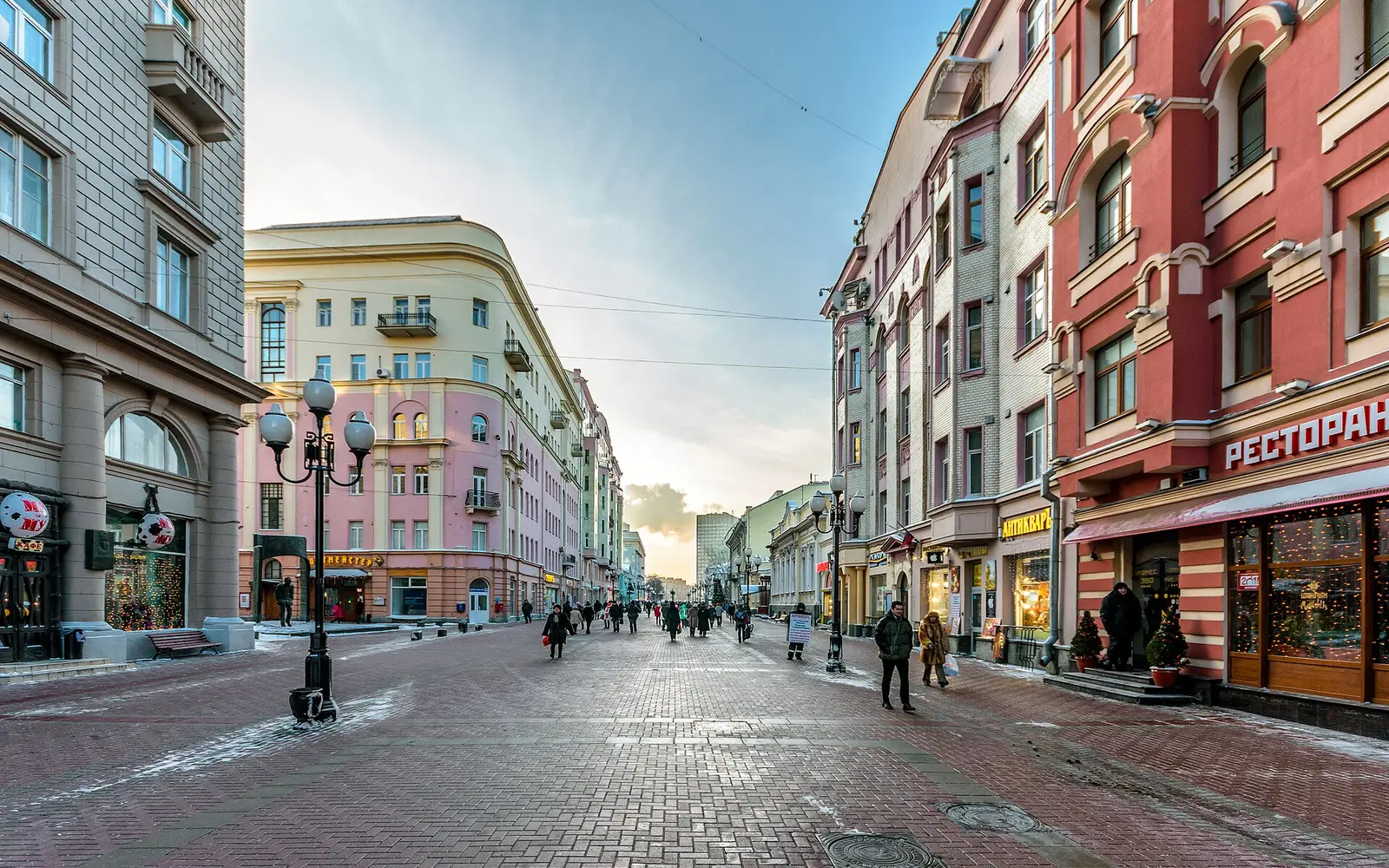
The social codes that surprise at first
Russian reserve is real, and it is often misread by students from a culture where you smile easily at a stranger. It is neither coldness nor hostility: it is a different boundary between public and private space.
- In public you do not smile at strangers: it is nothing personal
- Once a relationship is established, Russian hospitality is on the contrary very generous
- Punctuality is taken seriously, in class as in administrative appointments
- You take your shoes off when entering someone home, including in halls
- The formal form of address is the rule with teachers and administration
Religious practice and food
This is families first question, and the answer is almost always reassuring. Russia has a large and long-established Muslim population, and university cities hosting international students are equipped accordingly.
- Large cities have accessible mosques and prayer spaces
- Halal food is easy to find in specialist grocers and in many supermarkets
- Kazan, the capital of Tatarstan, has a strong Muslim identity and a particularly wide offering
- Halls of residence have shared kitchens: cooking for yourself remains the simplest way to control both your budget and your diet
The Maghrebi community, a genuine support
Tunisian, Moroccan and Algerian students have long been present in Russian university cities. This community is the most effective shortcut for the practical questions of the first weeks.
- Look for the national student associations as soon as term begins
- Student groups at your university often answer everyday questions faster than the administration
- Stay open beyond it, though: students who mix only within their own community progress far more slowly in Russian
Learning Russian, the real accelerator
The preparatory year gives you the basics, but it is outside class that your level takes off. The students who progress fastest are those willing to speak badly for a few months.
- Do your shopping in Russian from day one, however clumsily
- Watch series dubbed in Russian with Russian subtitles, not English ones
- Make at least one Russian-speaking friend: it is worth every textbook
- Accept mistakes: fear of getting it wrong is the main brake on progress
Morale, a subject we discuss too little
The dip almost always comes, usually between the second and fourth month, when the novelty fades and winter settles in. Knowing it in advance changes a great deal.
- Set a regular rhythm of contact with your family rather than irregular, long calls
- Go out despite the cold: isolating yourself in your room is what harms morale most
- Join a campus activity in the first semester, sporting or cultural
- Talk to the international student office if it lasts: that is precisely their role
Frequently asked questions
Is halal food easy to find in Russia?
Yes in large cities and university towns, in specialist grocers as well as many supermarkets. Kazan has a particularly wide offering.
Are there mosques near the universities?
Large university cities have mosques and prayer rooms. Your university international student office can point you to the nearest ones to campus.
Is it hard to make Russian friends?
Slower than elsewhere, but more lasting. The initial reserve is not rejection: once a relationship forms, it is generally very solid. Russian remains the decisive factor.